
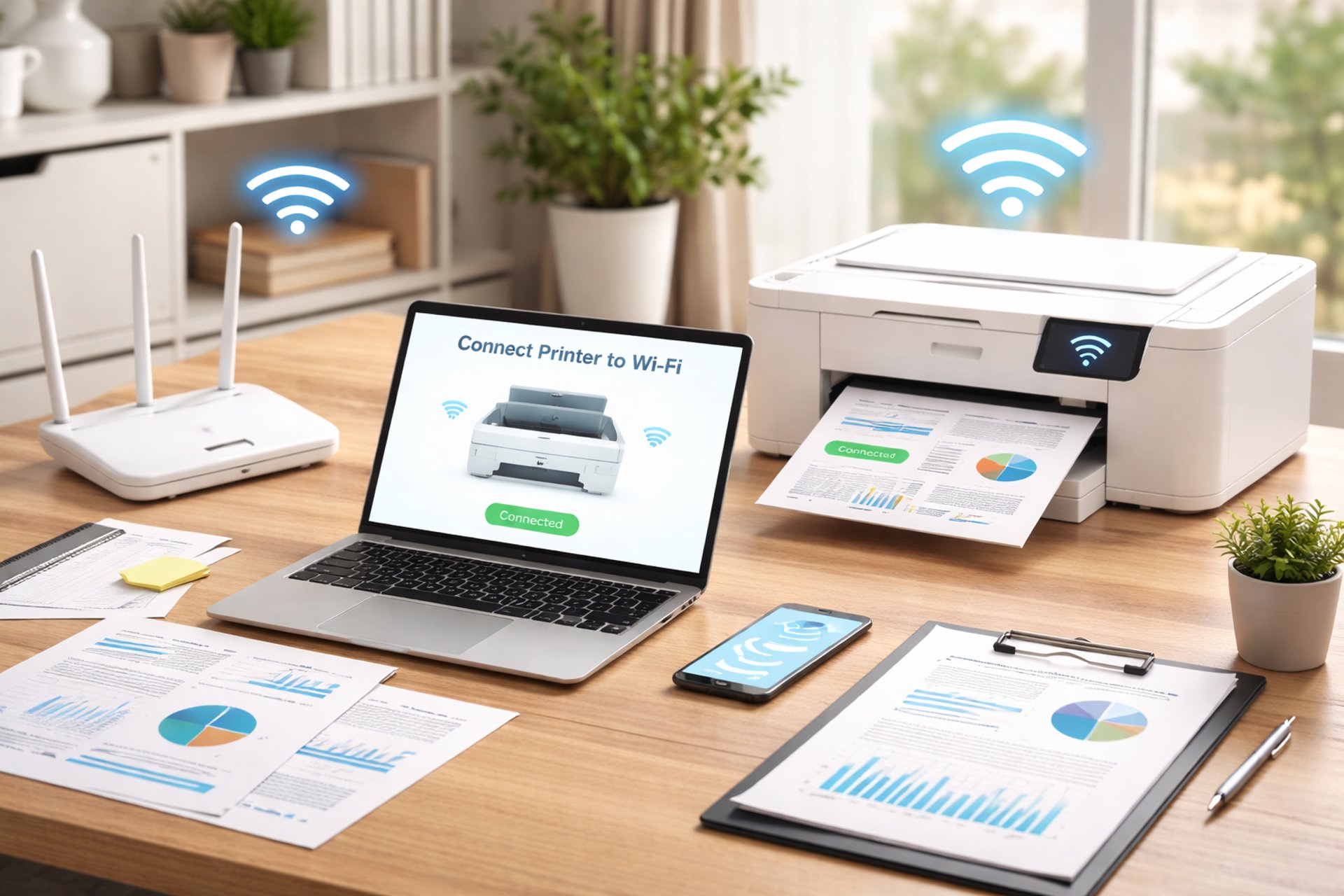
Complete Guide to Printer Setup, Wi-Fi Connection, and Printing Issues
Printers are essential devices for homes, offices, and educational environments. Whether you want to print documents, assignments, reports, or photos, setting up a printer correctly is the first step to ensuring smooth performance.
Many users experience common challenges such as connecting a printer to Wi-Fi, adding a printer to a computer, or resolving printing issues. This educational guide explains the basics of printer setup, Wi-Fi connectivity, and troubleshooting common printing problems so users can better understand how printers work.
Printer setup is the process of preparing a printer so it can communicate with a computer, laptop, or mobile device. Most modern printers support both USB connections and wireless connections.
A typical printer setup process includes:
Unboxing the printer and removing protective materials
Installing ink cartridges or toner cartridges
Loading paper into the tray
Turning on the printer
Installing printer drivers or software
Connecting the printer to a computer or Wi-Fi network
Printer manufacturers usually provide installation software that guides users through these steps. Once the setup is completed, the printer becomes available for printing tasks.
Understanding the setup process helps users avoid common issues and ensures the printer functions properly.
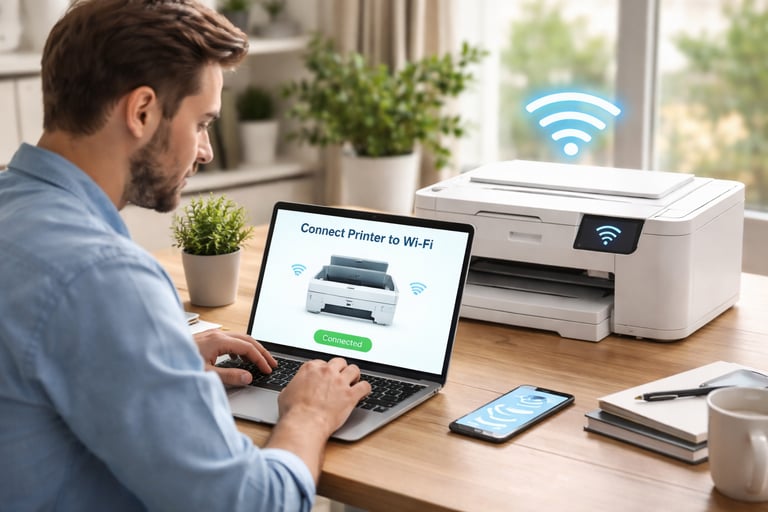
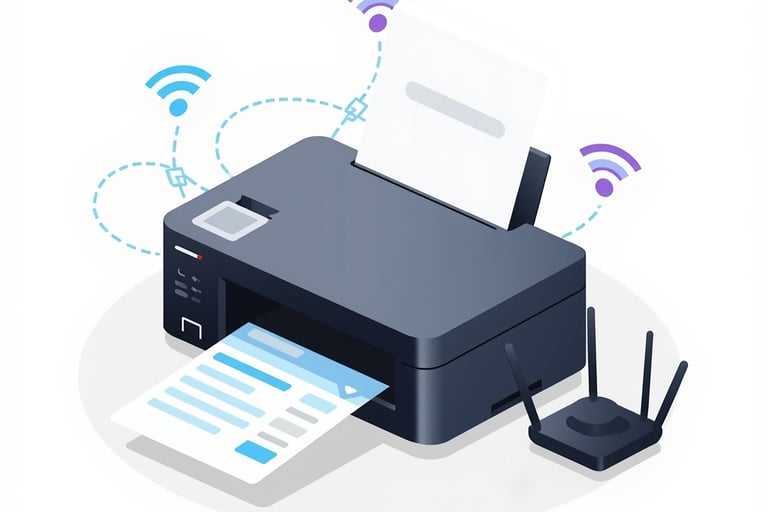
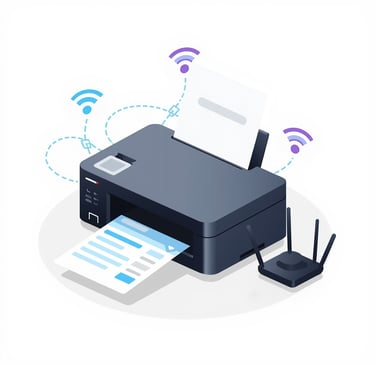
Sometimes a printer may fail to connect to a wireless network. This can happen due to several reasons related to network configuration, device settings, or connectivity limitations.
Common causes include:
Incorrect Wi-Fi password
Weak wireless signal
Router compatibility issues
Printer firmware outdated
Network configuration errors
Printer connected to a different network band
Checking these factors often helps identify why a printer is not connecting to Wi-Fi. Understanding the wireless environment and device compatibility can improve connection reliability.
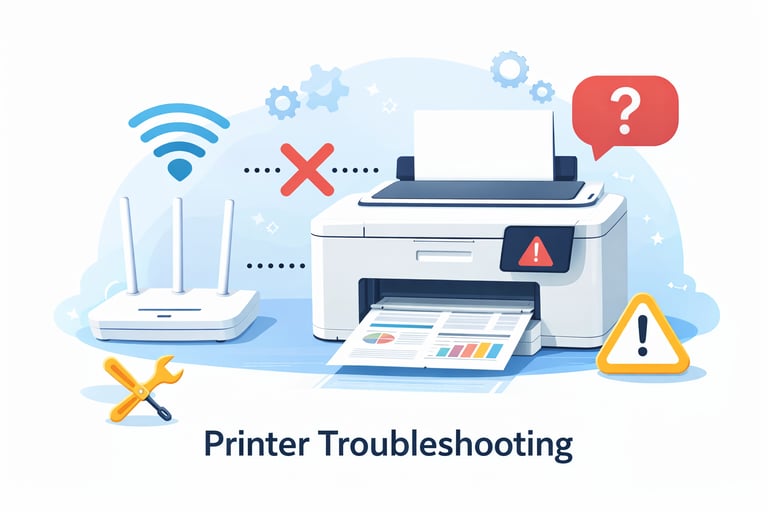


Before printing, the printer must be added to the device that will send print commands. This process allows the operating system to recognize and communicate with the printer.
In most operating systems, the process typically involves:
Opening device or system settings
Navigating to printers or devices section
Selecting Add Printer
Choosing the detected printer from the list
Installing necessary drivers if required
After the printer is added, users can select it whenever they print a document.
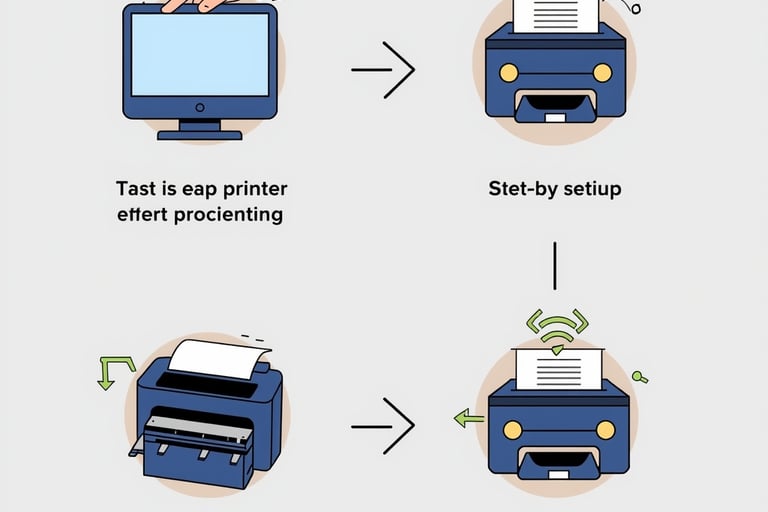
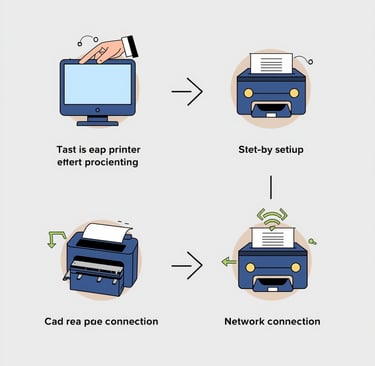

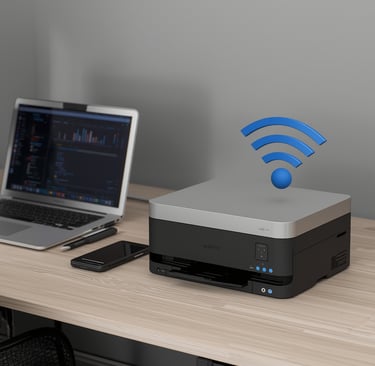
When a printer won’t print, it generally indicates that the print command cannot be processed correctly. This may occur due to software communication issues between the printer and the device sending the print request.
Some common scenarios include:
The print queue contains pending jobs
The printer is set as offline
The printer driver needs updating
The printer is not selected as the default printer
Checking these elements often helps determine why printing does not start.
Modern printers are designed with advanced features such as:
Wireless printing
Cloud printing
Mobile printing apps
Automatic duplex printing
Network sharing
Understanding these technologies allows users to take full advantage of modern printing capabilities.
As printing devices continue to evolve, learning the fundamentals of printer setup, wireless connectivity, and printing workflows becomes increasingly valuable for both home users and professionals.
1. What is printer setup and why is it important?
Printer setup is the process of preparing a printer so it can communicate with a computer, laptop, or mobile device. It usually involves installing ink or toner cartridges, loading paper, connecting the printer to a device or Wi-Fi network, and installing the necessary drivers or software. Proper setup ensures the printer functions correctly and allows users to print documents efficiently.
2. How do I connect a printer to a Wi-Fi network?
To connect a printer to Wi-Fi, access the printer’s wireless or network settings from its control panel. Select your Wi-Fi network from the available list and enter the network password. After the connection is established, devices connected to the same network can detect and use the printer for wireless printing.
3. Why is my printer not connecting to Wi-Fi?
A printer may fail to connect to Wi-Fi for several reasons, such as incorrect network credentials, weak wireless signal, outdated firmware, or router compatibility issues. Ensuring the printer is within range of the router and confirming the correct Wi-Fi password are common steps that help resolve connection problems.
4. How do I add a printer to my computer?
Adding a printer typically involves opening the device settings on your computer and selecting the option to add or discover printers. The system searches for available printers on the network or through a USB connection. Once detected, the computer installs the required drivers so the printer can receive print commands.
5. Why is my printer not printing even though it is connected?
If a printer is connected but not printing, possible causes include low ink levels, paper jams, an offline printer status, or pending print jobs in the queue. Checking the printer status, restarting the printer, and ensuring it is set as the default printer often helps restore normal printing functionality.